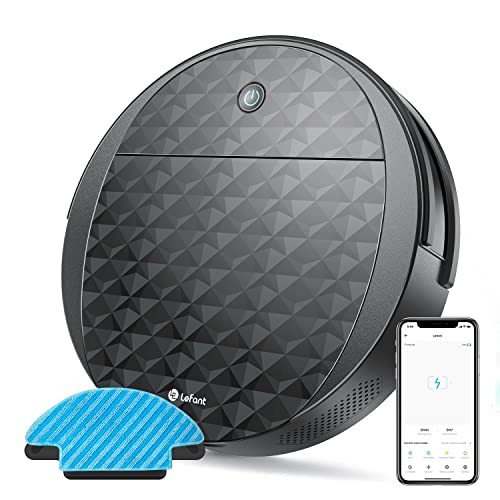
Understanding Robot Vacuums and Mops: A Comprehensive Guide
The development of technology has significantly transformed everyday tasks, and among the most notable improvements in household tasks is the creation of robot vacuums and mops. These innovative gizmos not just assure benefit and effectiveness but likewise offer significant relief from the demands of standard cleaning approaches. In this short article, we look into the complexities of robot vacuums and mops, their functionalities, advantages, and how to select the ideal gadget for your cleaning requires.
How Robot Vacuums and Mops Work
Robot vacuums and mops are equipped with sensing units and clever innovation that enable them to navigate through your home autonomously. Here's a breakdown of their functions:
Robot Vacuums
- Navigation Sensors: These gadgets include various sensing units that help them draw up the environment, discover obstacles, and identify the most effective cleaning course.
- Suction Power: Robot vacuums utilize varying levels of suction to select up particles, dust, and animal hair. Higher-end models typically come geared up with effective motors for more effective cleaning in heavier debris locations.
- Dustbins: They typically have onboard dustbins that save particles until the owner manually empties them.
Robot Mops
- Mopping Technology: Most robot mops use a mix of water tanks and cleaning pads to scrub floorings. Some even have the ability of automatically giving cleaning option.
- Smart Sensors: Similar to vacuum cleaners, robot mops likewise have sensing units to detect filthy areas and avoid barriers, guaranteeing effective cleaning while protecting furniture.
- Hybrid Models: Some gadgets serve both purposes, integrating vacuuming and mopping functions in one system for comprehensive floor care.
Advantages of Robot Vacuums and Mops
Utilizing robot vacuums and mops comes with many advantages:
Time-Saving
- Hands-Free Cleaning: Robot vacuums and mops can run while you're away from home, reducing the time assigned for household cleaning chores.
- Arranged Cleaning: Many models offer programmable schedules, improving the capability to maintain cleanliness on a daily basis without manual intervention.
Performance
- Constant Cleaning: Robot devices can be utilized daily, resulting in continuously tidy floors that need less intensive cleaning effort in the future.
- Comprehensive Coverage: These gadgets can quickly browse around furnishings, getting into hard-to-reach areas that traditional vacuums can not.
Technological Integration
- Smart Home Compatibility: Many robot vacuum and mop designs are suitable with smart home gadgets and can be controlled through smartphones or voice commands.
- Updates and Improvements: Regular software updates may boost the performance and improve the algorithm efficiency of these gadgets.
Healthier Home Environment
- Improved Air Quality: With consistent cleaning, robot vacuums assist in decreasing allergens such as dust and family pet dander, adding to a much healthier home environment.
- Wet Cleaning: Robot mops offer an extra layer of tidiness by sanitizing and disinfecting floorings, even more decreasing bacteria and germs.
Picking the Right Robot Vacuum and Mop
Choosing the best robot vacuum or mop needs factor to consider of different aspects:
| Factor | Description |
|---|---|
| Space Size | Consider the size of your home and the area to be cleaned. |
| Floor Type | Various cleaners are more effective on carpets versus hard surfaces. |
| Battery Life | Much shorter battery life might demand more frequent charging and less effective cleaning. |
| Smart Features | Choose if you want Wi-Fi connectivity, app control, or voice assistant compatibility. |
| Dustbin Capacity | Evaluate how typically you're ready to empty the dustbin for optimal operations. |
| Cost | Consider your budget however bear in mind that purchasing quality may cause much better performance. |
FAQs
1. What is the difference between a robot vacuum and a robot mop?
A robot vacuum primarily focuses on sucking up dirt, dust, and debris using suction power. On the other hand, a robot mop uses a combination of water and cleaning pads to sterilize difficult floorings. Some models can perform both functions.
2. Are robot vacuums reliable on carpets?
Yes, numerous contemporary robot vacuums are developed with different suction powers and brush systems that make them effective on carpets. Nevertheless, the efficiency will depend on the specific design, so inspecting evaluations for carpet performance is suggested.
3. Can robot vacuums and mops navigate stairs?
No, a lot of robot vacuums and mops are not created to browse stairs. They normally have cliff sensing units to avoid them from falling off ledges, however they are not able to climb up or descend stairs on their own.
4. How typically should I run my robot vacuum or mop?
This depends upon your family situations. For homes with pets or heavy foot traffic, running the devices daily may be helpful. In quieter households, every few days may be adequate.
5. Do robot mops actually tidy floors effectively?
Robot mops can successfully clean hard floors, especially when integrated with suction capabilities for debris pickup. However, the level of cleanliness may differ based on the device specifications and how heavily soiled the floor is.
Robot vacuums and mops are a game-changer in contemporary cleaning services. They represent a substantial shift towards automation and performance, enabling a cleaner home while granting valuable time back to homeowners. While possible buyers must consider certain features and functions customized to their specific requirements, investing in a quality robot vacuum or mop can raise the everyday chore of cleaning into a streamlined and manageable process.